MATERIAL MONDAYS

Some materials reveal their origins almost immediately, while others require a closer look. Since reading Helen Scales’ book Spirals in Time back in 2019, and learning of sea silk, made from the silky filaments of the mediterranean noble pen shell, my fascination for weird and wonderful materials began. This research will be documented in my upcoming series Material Mondays.
The familiar stories of cotton, silk and linen will not be revisited here, despite shaping so much of history and their intrinsic value for a more sustainable future. Instead, Material Mondays will explore the lesser-known fibres and materials, the ones that make you wonder how a single bacterium or a piece of seaweed could transform into a useable, beautiful textile, the ones that challenge our understanding of what a textile can be.
At a time when the textile industry is searching for alternatives to fossil-fuel-derived fibres and more circular ways of working, perhaps we should look again at fibres that have existed for generations. By relearning and rediscovering their properties, we can find value in what we have come to overlook. Material Mondays will aim to explore both.
MATERIAL
✳︎
MONDAYS
✳︎
MATERIAL ✳︎ MONDAYS ✳︎
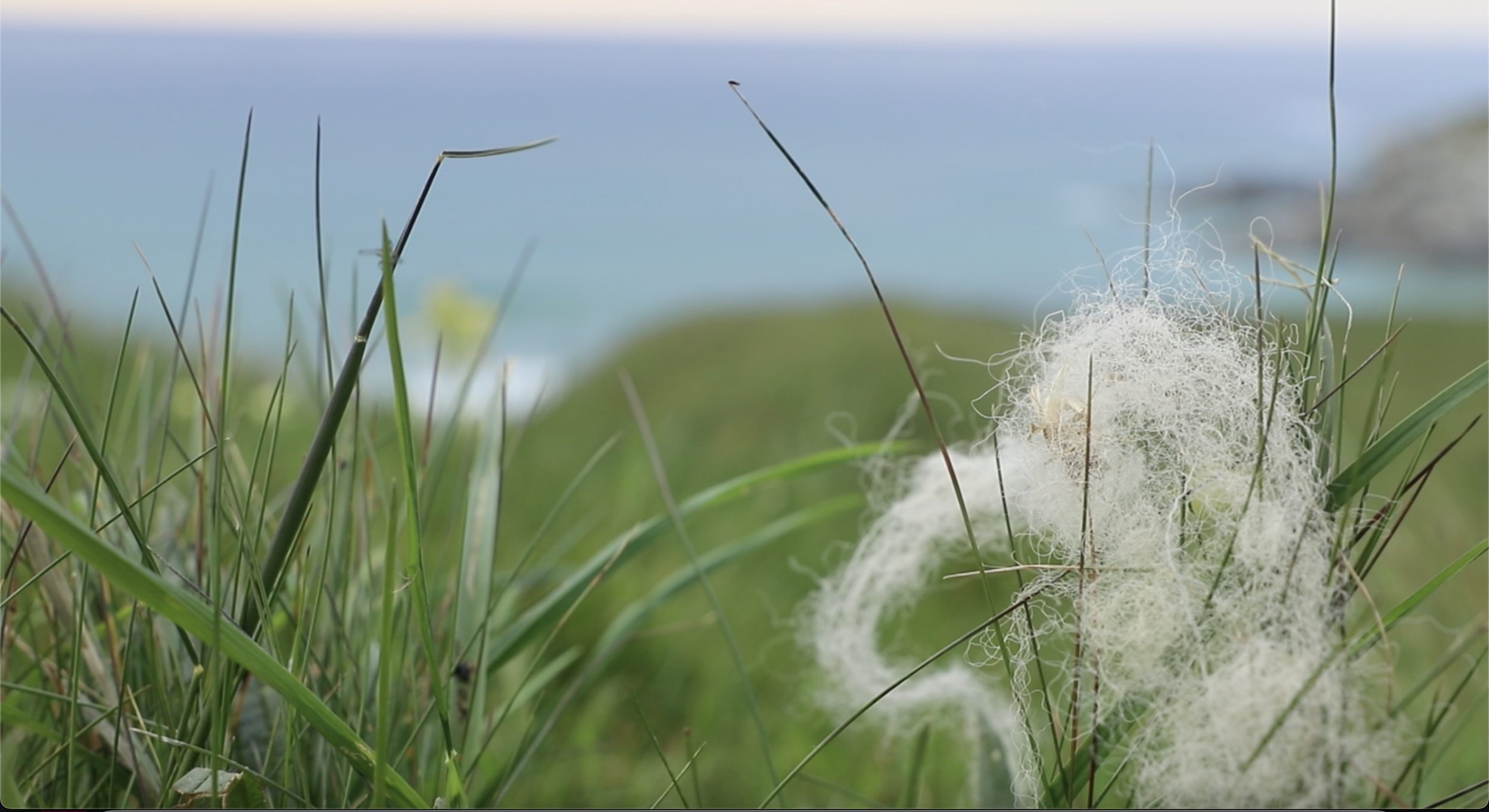
WOOL
Wool is a material shaped by thousands of years of human ingenuity, animal adaptation and local knowledge. From the sails that carried Viking ships across northern seas to the ganseys worn by Cornish fishermen, it was once one of the most economically and politically valuable commodities in Europe. Today, the economics are very different: in some cases, farmers have resorted to burning or burying wool that is uneconomic to sell, highlighting the challenge of finding viable uses for lower-value British fleeces. Wool is fibre with remarkable properties, deeply rooted in the landscapes, cultures and communities that have worked with it. When responsibly sourced, designed for longevity and kept in use through repair and recycling, wool can contribute to a more circular and regenerative textile economy.